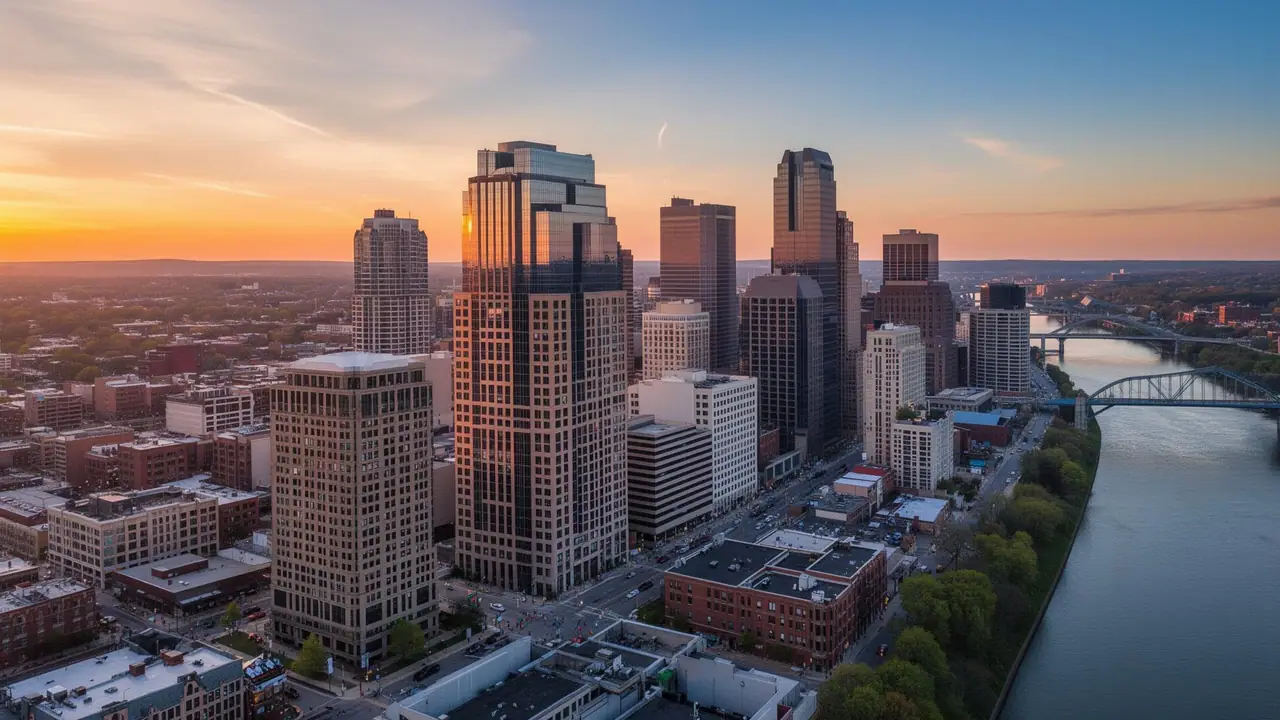

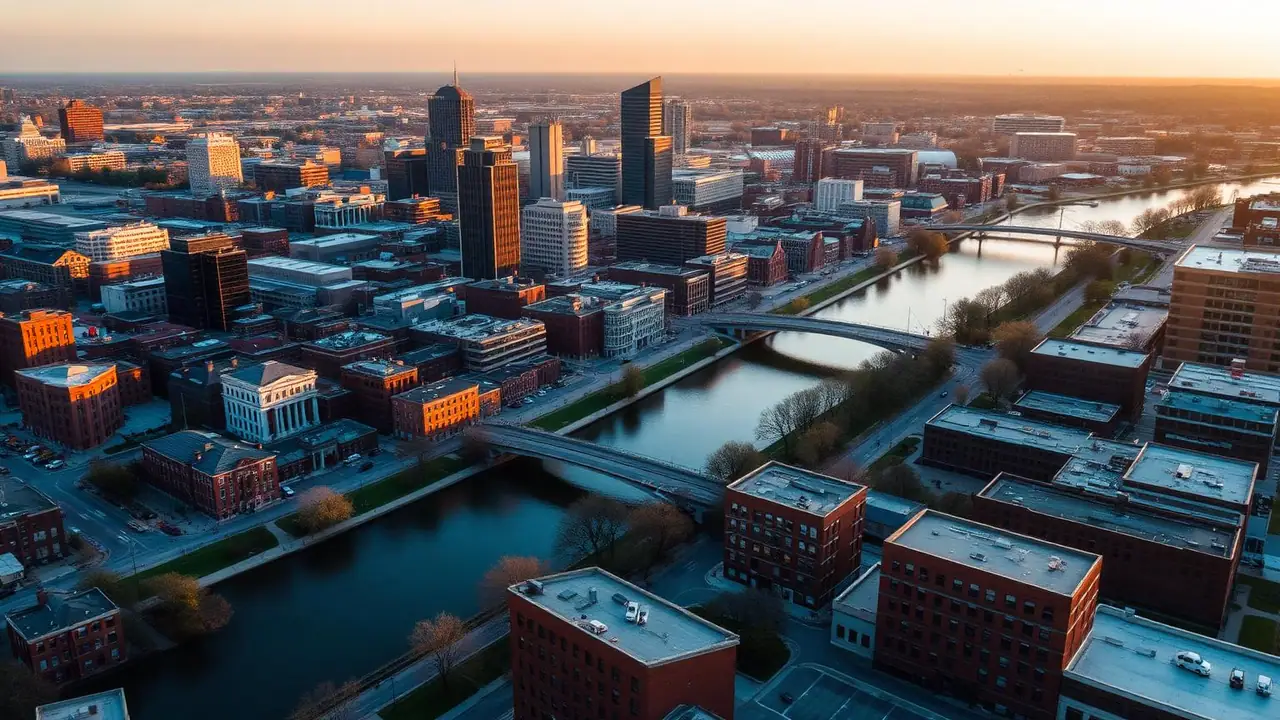
The Dayton region has been quietly transforming for the past decade. The redevelopment of the Dayton Arcade, the steady growth of the Air Force Research Lab supplier base, the maturation of the Oregon District as a regional dining destination, and the continued expansion of Premier Health and the University of Dayton have all contributed to an economy that looks meaningfully different than it did in 2015.
For local operators, that change has practical implications for how you market. The buyer pool is larger and more digitally sophisticated. The competitive set is sharper. And the channels that actually drive revenue have shifted in ways that older playbooks don't account for. Here's what we see working in the Dayton market in 2026.
Local SEO Is the Workhorse
For most Dayton-area service businesses — home services, healthcare, professional services, restaurants — local SEO drives more pipeline than any other channel. The Google map pack is the single most valuable piece of digital real estate, and the businesses winning it are doing three things consistently: aggressive Google Business Profile management, neighborhood-level content (not just city-level), and a disciplined review acquisition system.
The neighborhood-level point matters more than most operators realize. Ranking for "Dayton dentist" is harder than it used to be. Ranking for "Oakwood dentist" or "Centerville dentist" or "Beavercreek dentist" is much more achievable, and the buyer intent is often higher. We build neighborhood-specific landing pages for almost every local SEO client and they consistently outperform generic city-level pages.
B2B Content Is Underutilized
The Dayton B2B economy — particularly around defense, aerospace, and the Wright-Patt-adjacent technology base — is bigger than most outside observers realize. And it is dramatically underserved by content marketing. Most local B2B firms either don't publish at all or publish generic thought leadership that doesn't speak to a specific buyer.
The opportunity is to publish content that targets the specific decision-makers in your category — engineering managers at Tier 2 defense suppliers, IT directors at mid-market manufacturers, COOs at regional healthcare systems — with content that addresses their actual operational pain. Done well, this content ranks for long-tail queries that competitors aren't targeting and produces a steady flow of inbound qualified leads.
Practical AI Is Eating Operations
The most interesting trend in the Dayton market right now is the rate at which mid-market businesses are deploying practical AI for operational efficiency. We're seeing real production implementations in customer service automation, document processing, scheduling, intake automation, and internal knowledge bases. The economics are favorable — implementation costs are dropping rapidly and the ROI windows are short.
For most Dayton operators the right starting point isn't a moonshot. It's a focused implementation against a specific operational pain — usually customer service, intake, or document handling — that produces measurable cost savings within 90 days. We work with clients across this space and the pattern is consistent: small, focused implementations that compound.
The Oregon District & Hospitality
The Oregon District has matured from a niche entertainment cluster into a genuine regional dining destination. Hospitality businesses in the District compete on a higher quality bar than the population would suggest, and the digital expectations from the customer have risen accordingly. Reservation systems, online ordering, photography, social presence, and reputation management all matter more than they did five years ago.
For new restaurant or bar concepts in the District, plan to invest seriously in digital from day one. The competitive set is real and the customer is comparing you against operators who have figured this out.
Oakwood, Kettering, Centerville, Beavercreek
The South Suburbs are arguably the most digitally engaged consumer market in the region. Median household income is high, mobile usage is universal, and buyers research extensively before they book. For consumer service businesses (dental, medical, fitness, beauty, home services), the strategy that works here is conversion-focused: clean fast websites, strong reviews, clear booking paths, and disciplined retargeting.
What to Stop Doing
The patterns we see in struggling Dayton businesses are usually the same: too much budget on display advertising, too little on local SEO and content; vanity metrics treated as success; agencies that ship templates instead of strategy; no measurement infrastructure; and no review acquisition system.
If you're spending real money on marketing in the Dayton market and you can't trace it back to leads or revenue, that's a strategy problem worth fixing. We're happy to talk through it.
HDM is headquartered in Springboro, OH and has been building for Dayton-area businesses since 2006. Get a free 30-minute discovery call to talk through what would work for your specific business.